
Understanding the basics of gambling A beginner’s guide to getting started
What is Gambling?
Gambling is the act of risking money or valuables on an event with an uncertain outcome, primarily to win additional money or goods. It encompasses a wide variety of activities, including betting on sports, playing cards, and participating in casino games. The thrill of gambling often stems from the unpredictability and chance involved, as players hope to strike it lucky. Many players also seek out reputable casinos not on gamstop to ensure a safe gambling experience.
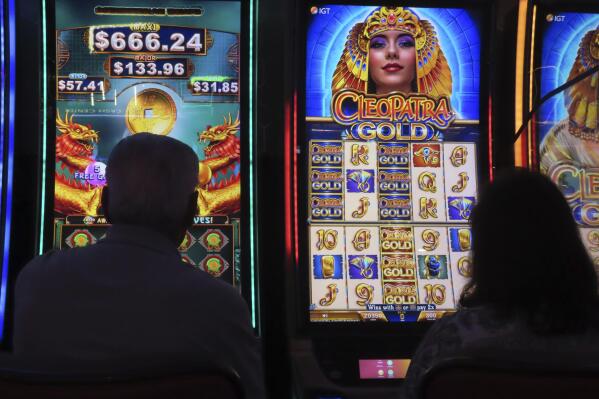
Understanding the basics of gambling is essential for beginners. It helps to establish the rules, odds, and strategies that can influence outcomes. With a plethora of options available, it’s important for newcomers to familiarize themselves with different types of gambling and the associated risks before jumping in.
The Psychology Behind Gambling
The psychology of gambling is a fascinating field that explores why individuals engage in this risky behavior. Many are drawn to the excitement of the gamble, the potential for monetary gain, and the social aspects of gaming environments. However, it’s vital to recognize that gambling can also lead to compulsive behavior, where individuals may chase losses or become overly invested in the activity.
Understanding the psychological triggers can help new gamblers approach the activity more responsibly. Recognizing when the excitement becomes problematic allows individuals to set limits, ensuring that gambling remains an entertaining pastime rather than a source of stress or financial strain.
Different Types of Gambling
Gambling takes many forms, each with its own set of rules and strategies. Some common types include casino games like slots, blackjack, and poker, as well as sports betting and lotteries. Each format presents unique challenges and requires varying levels of skill, strategy, and luck.
For beginners, exploring different types of gambling can help determine which forms resonate most. It’s advisable to start with low-stakes games or free versions to gain experience without significant financial risk, allowing for a gradual acclimatization to the gambling world.
Responsible Gambling Practices
Practicing responsible gambling is crucial for anyone engaging in this activity. Setting a budget, establishing time limits, and knowing when to walk away are key strategies to ensure that gambling remains enjoyable. It’s important to view gambling as a form of entertainment rather than a means to make money, as this mindset can help mitigate the risk of addiction.
Moreover, many casinos and online gambling platforms offer tools for responsible gambling, such as self-exclusion options and reality checks. Utilizing these resources can empower players to make informed decisions and maintain control over their gambling habits.

Explore More About Gambling
As a beginner, seeking out reliable resources can significantly enhance your understanding of gambling. Websites dedicated to providing insights on games, strategies, and the latest trends can offer valuable information for novice players. Engaging with communities, reading expert advice, and practicing through simulations can further deepen your knowledge.
Whether you’re interested in casino games, sports betting, or online platforms, there are ample resources to guide you on your journey. Embrace the learning process, and remember that the goal is to enjoy the experience while maintaining a responsible approach to gambling.