
Exploring the dynamics of gambling a complete overview
Gambling has been a part of human culture for centuries, evolving from simple games of chance to complex systems involving strategy, psychology, and economics. The dynamics of gambling encompass various elements, including risk, reward, and the social interactions that accompany these activities. Understanding these components is essential for both participants and regulators in the industry.
The Psychology of Gambling
The psychology behind gambling is a fascinating subject. Gamblers often experience a mix of excitement and anxiety, driven by the thrill of potential wins and the fear of losses. Cognitive biases, such as the illusion of control and the gambler’s fallacy, can significantly impact decision-making. These psychological factors not only influence personal behavior but also affect broader gambling markets and trends.
The Economic Impact of Gambling
Gambling also has substantial economic implications. It generates billions of dollars in revenue for governments and creates thousands of jobs in various sectors. However, the economic benefits come with social costs, including addiction and financial instability for some individuals. Balancing these factors is crucial for policymakers as they navigate the complexities of gambling regulation.

The Future of Gambling
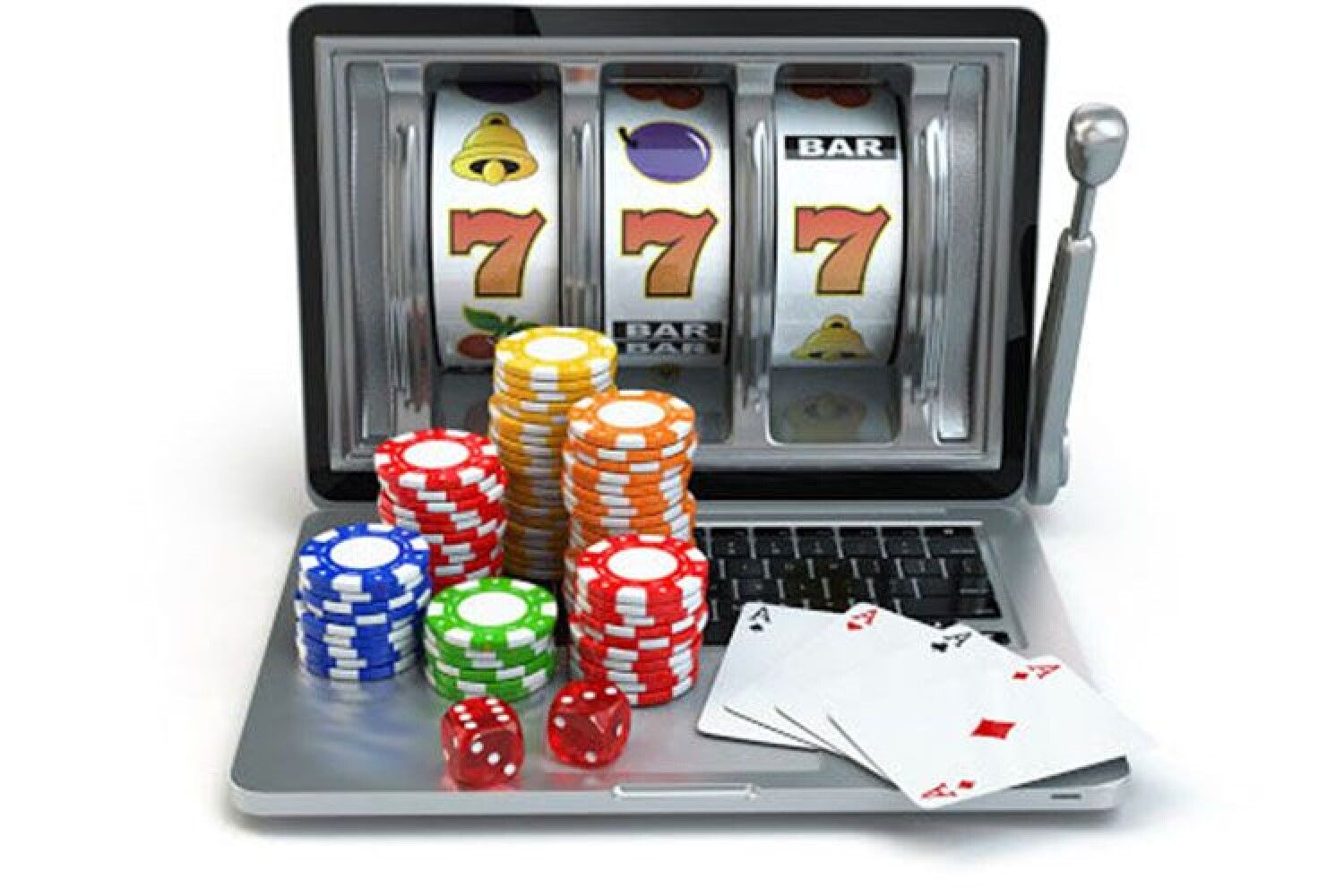
As technology advances, the future of gambling is likely to change dramatically. Online gambling, mobile applications, and virtual reality are redefining the landscape, making it more accessible than ever. However, with these advancements come new challenges, such as ensuring responsible gambling practices and protecting vulnerable populations. Keeping pace with these changes will be vital for the continued evolution of the gambling industry.